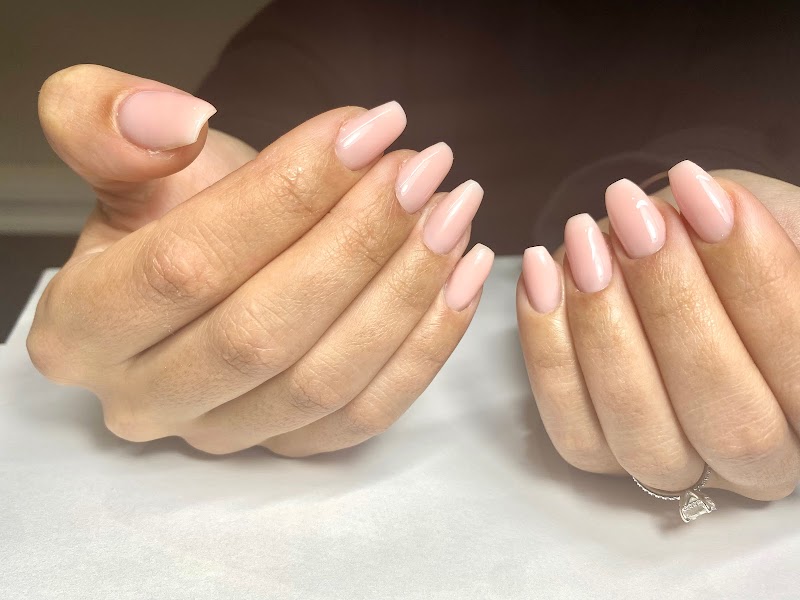
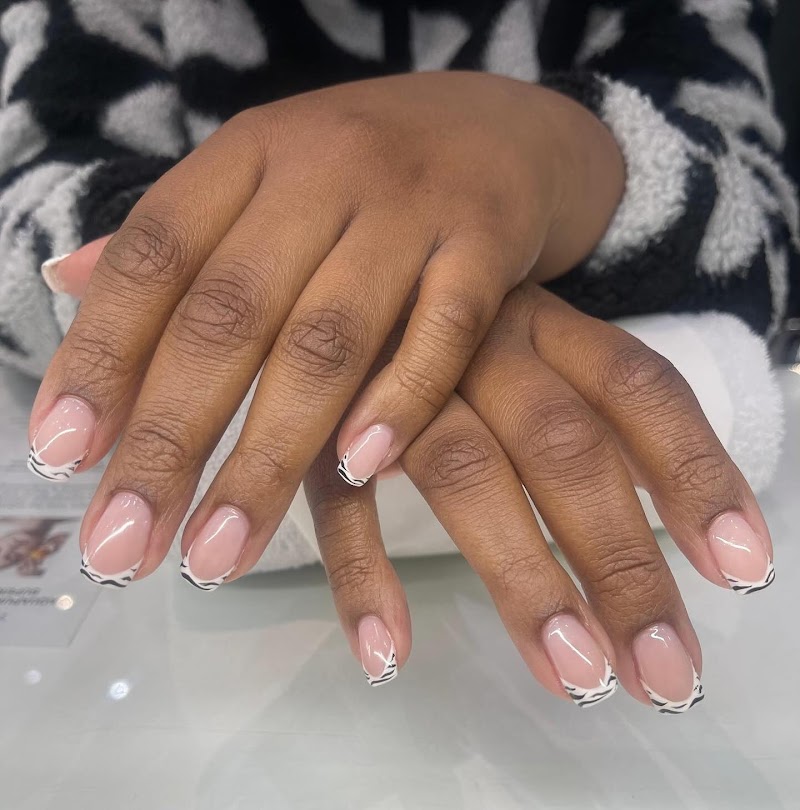
♡ Tap a heart to save a look
View style board →Quick Facts
- Recovery time
- 3 – 6 months
- First step
- Safe removal
- Best treatment
- BIAB overlay
- Key rule
- Let nails breathe
- See a pro if
- Severe thinning or pain
Some product links below go to Amazon. If you buy through one, NailAtlas earns a small commission at no extra cost to you. We only link to products this guide already recommends, and no brand has paid for a mention.
Thin, white, flaky, or painful nails after having acrylics or gel removed are a sign of nail plate damage, most commonly caused by aggressive e-file buffing or forcible removal. The good news: nails grow back fully in 3-6 months with the right approach.
How Nail Damage Actually Happens
The nail plate is made up of layers of keratin. Damage occurs when those layers are mechanically separated or ground away:
- Over-buffing with an e-file: The most common cause. A drill moving at high speed across the nail plate removes material in seconds. Inexperienced technicians often apply too much pressure or use too coarse a bit.
- Peeling off gel or acrylics: When you peel, the gel or acrylic takes layers of the nail plate with it. Even one incident can cause visible white patches (delamination).
- Forcible removal by a tech: Some technicians use tools to lever off product rather than fully soaking it, equivalent to peeling.
The Recovery Process: Step by Step
Step 1: Assess the damage
Look at your nails in good lighting. White patches are delaminated layers. If nails are thin and flexible, the plate has been thinned. If nails are painful when pressed, the plate may be too thin in places. This helps you gauge how long recovery will take (mild damage: 6-8 weeks; severe: 4-6 months).
Step 2: Book a BIAB overlay
This is the most effective intervention. BIAB applied over damaged nails does two things: protects the damaged plate from further mechanical damage while it grows out, and prevents the brittle nails from breaking before the healthy nail grows in.
Crucially: ensure the technician does NOT buff the damaged nail plate. BIAB can be applied with minimal prep, a dehydrator and bond only. Any significant buffing on an already-thin plate worsens the damage.
Step 3: Cuticle oil twice daily
Apply to the cuticle and matrix area (base of the nail) morning and evening. Jojoba oil is particularly effective as its molecular structure allows it to penetrate the nail plate. This accelerates healthy nail growth from the matrix.
Step 4: Protect from water and chemicals
Water exposure causes the damaged, delaminated nail plate to expand and contract, worsening peeling. Wear gloves for washing up. Avoid cleaning products without gloves. Limit time with hands submerged.
Step 5: Get BIAB infills regularly
Do not remove the BIAB entirely and go bare between appointments. The bare, damaged nail is vulnerable. Instead, get regular infills every 3-4 weeks, and ask your tech to assess how the new growth looks each time.
Recovery Timeline
| Timeframe | What to expect |
|---|---|
| Weeks 1-4 | BIAB applied, damaged plate protected. New healthy nail starts growing from matrix. |
| Weeks 4-8 | Visible line between damaged nail (at tip) and healthy new growth (at base). First infill. |
| Weeks 8-16 | Healthy nail now covers 50-75% of nail plate. Damaged portion mostly grown out. |
| Months 4-6 | Full nail plate replaced with healthy nail. Damage fully resolved. |
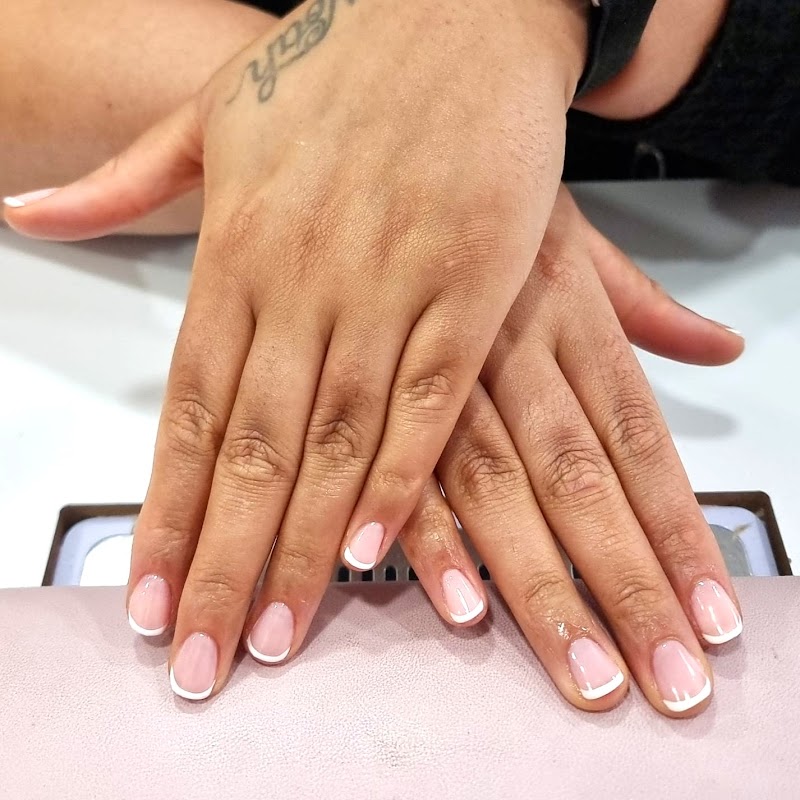
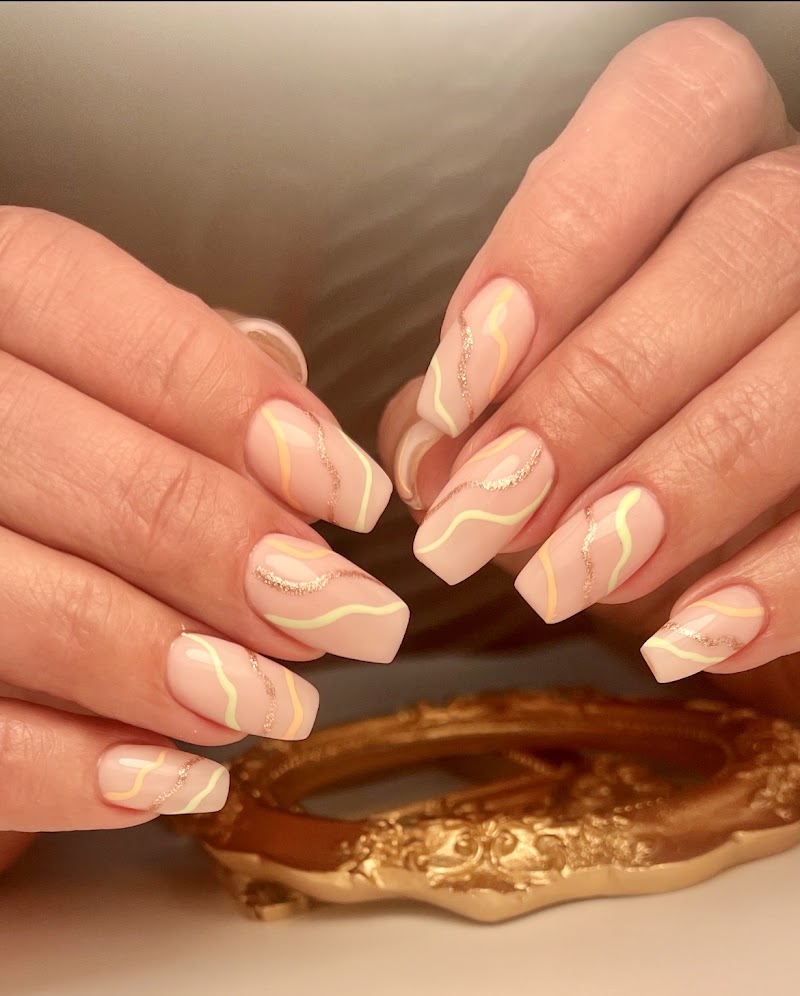
Naiyah Nails - Luxury BIAB & Russian Manicure Salon Brixton
Nail health results
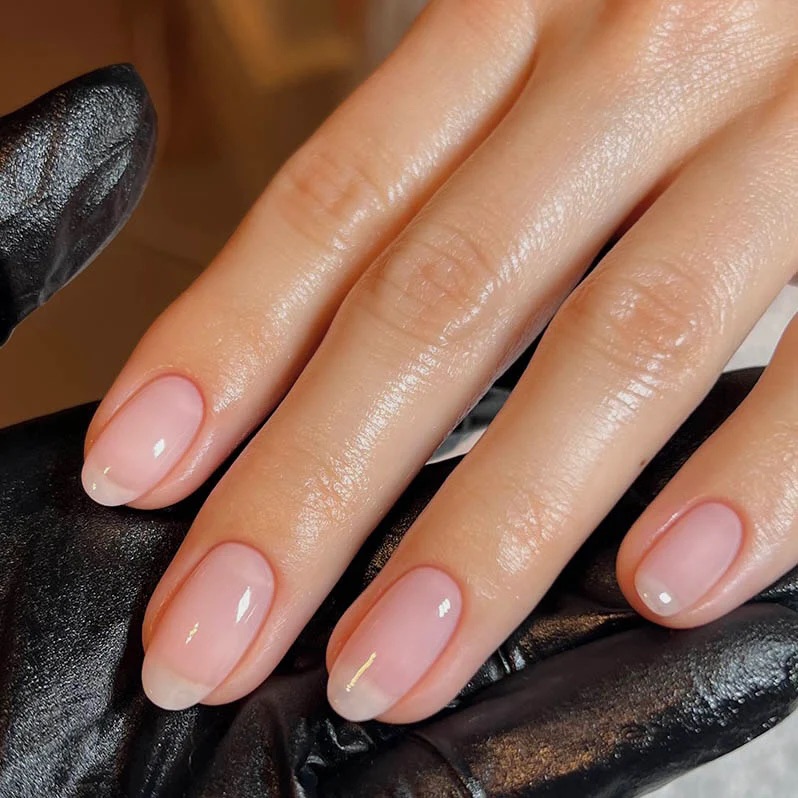
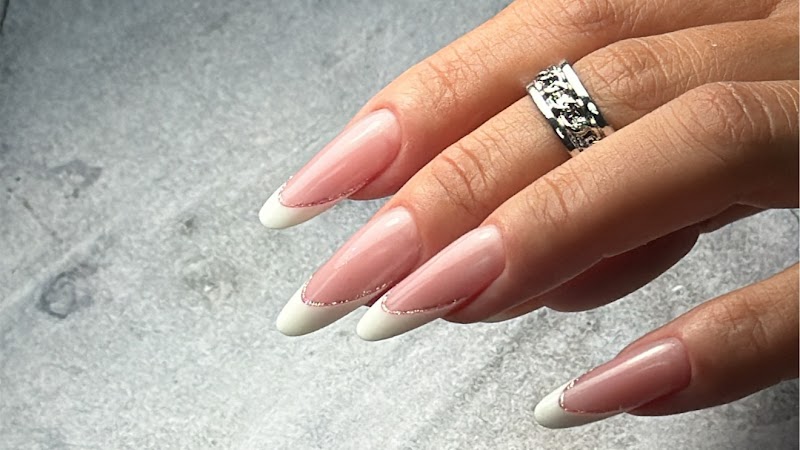
Primrose Nails
Nail health results
How to Avoid Damage in the Future
- Always soak off gel, never peel or pick
- Ask your tech about their removal process before booking
- If a tech uses an e-file for removal, watch for heavy pressure, you should not feel heat
- Choose salons that specialise in nail health (BIAB, Russian manicure), they tend to have gentler protocols
- Avoid budget/walk-in salons that do very fast removal, corners are almost always cut
Find a nail health specialist: Browse BIAB specialists on NailAtlas →
Repairing nail damage: FAQ
How long do damaged nails take to recover?▼
Nails grow back fully in 3–6 months with the right approach. Mild damage recovers in roughly 6–8 weeks; severe damage takes 4–6 months. Recovery is a matter of growing the damaged plate out, not repairing it in place.
What causes nail damage after acrylics or gel?▼
Three things, in order of frequency: over-buffing with an e-file, which removes nail plate material in seconds when a tech uses too much pressure or too coarse a bit; peeling product off yourself; and a technician levering product off instead of soaking it fully.
What are the white patches on my nails?▼
They are delaminated layers — places where the keratin layers of the nail plate have been mechanically separated or ground away. If nails are also thin and flexible the plate has been thinned, and if they hurt when pressed it may be too thin in places.
Does BIAB help damaged nails?▼
It is the most effective intervention. A BIAB overlay protects the damaged plate from further mechanical damage while it grows out, and stops brittle nails snapping before healthy nail reaches the tip. Critically, ask your tech not to buff the damaged plate — BIAB can go on with just a dehydrator and bond.
Should I leave my nails bare while they recover?▼
No. A bare damaged nail is vulnerable, so do not strip the BIAB off between appointments. Book infills every 3–4 weeks instead and ask your technician to assess the new growth each time.