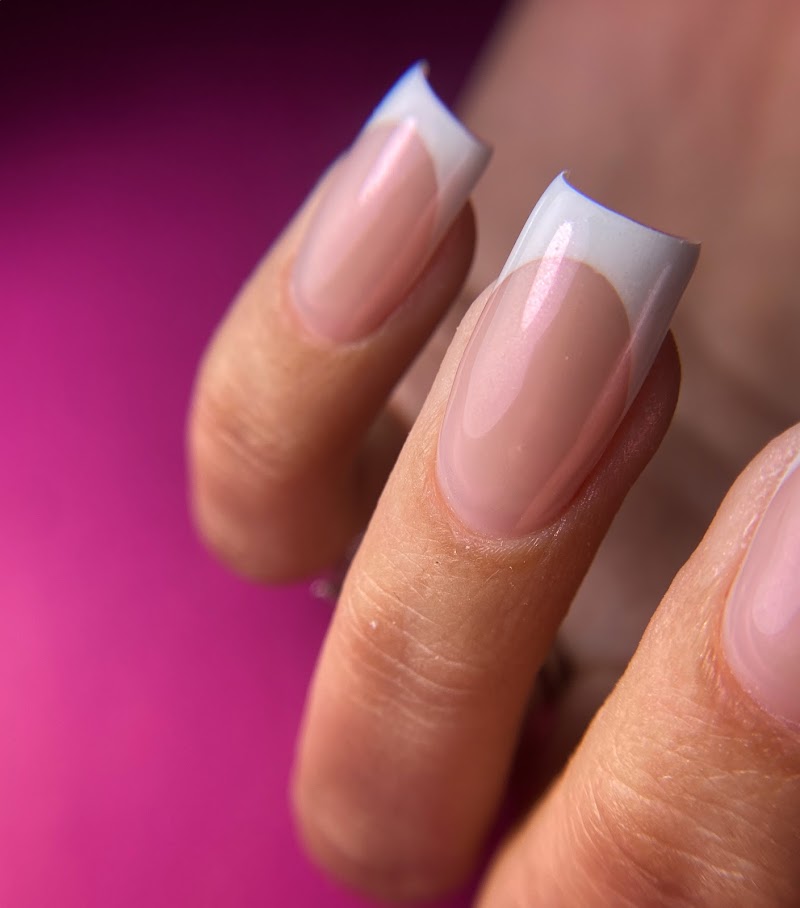
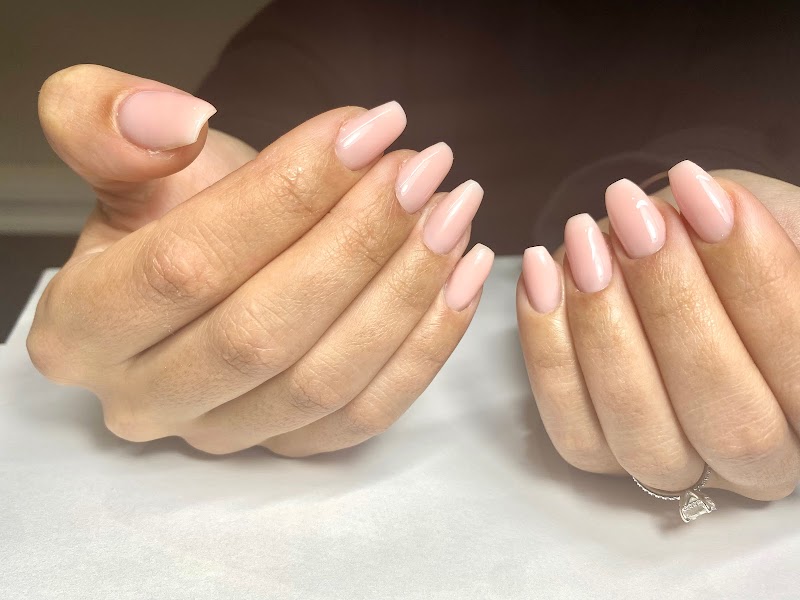
♡ Tap a heart to save a look
View style board →Quick Facts
- Goal
- Stronger nails
- Timeline
- 4 – 12 weeks
- Best treatment
- BIAB or nail hardener
- Daily habit
- Cuticle oil
- Avoid
- Peeling, acetone overuse
Some product links below go to Amazon. If you buy through one, NailAtlas earns a small commission at no extra cost to you. We only link to products this guide already recommends, and no brand has paid for a mention.
Weak, brittle nails that peel, break, or refuse to grow are one of the most common nail complaints, and one of the most misunderstood. Here's what is actually causing your nails to be weak, and what genuinely helps.
Why Are Your Nails Weak?
The most common causes of weak nails:
- Over-hydration: Nails that are repeatedly wet and dry (washing dishes without gloves, frequent hand washing) expand and contract, causing peeling and brittleness. Counterintuitively, too much moisture weakens nails.
- Damage from previous treatments: Aggressive filing, e-file over-buffing, or forcible removal of gel/acrylics thins the nail plate and takes months to grow out.
- Acetone exposure: Repeated acetone soaks dry out the nail plate and surrounding skin.
- Nutritional deficiency: Low iron, biotin, or vitamin D can affect nail strength, though this is less common than people assume.
- Genetics: Some people simply have naturally thinner nail plates. This is not a problem you can permanently fix, only manage.
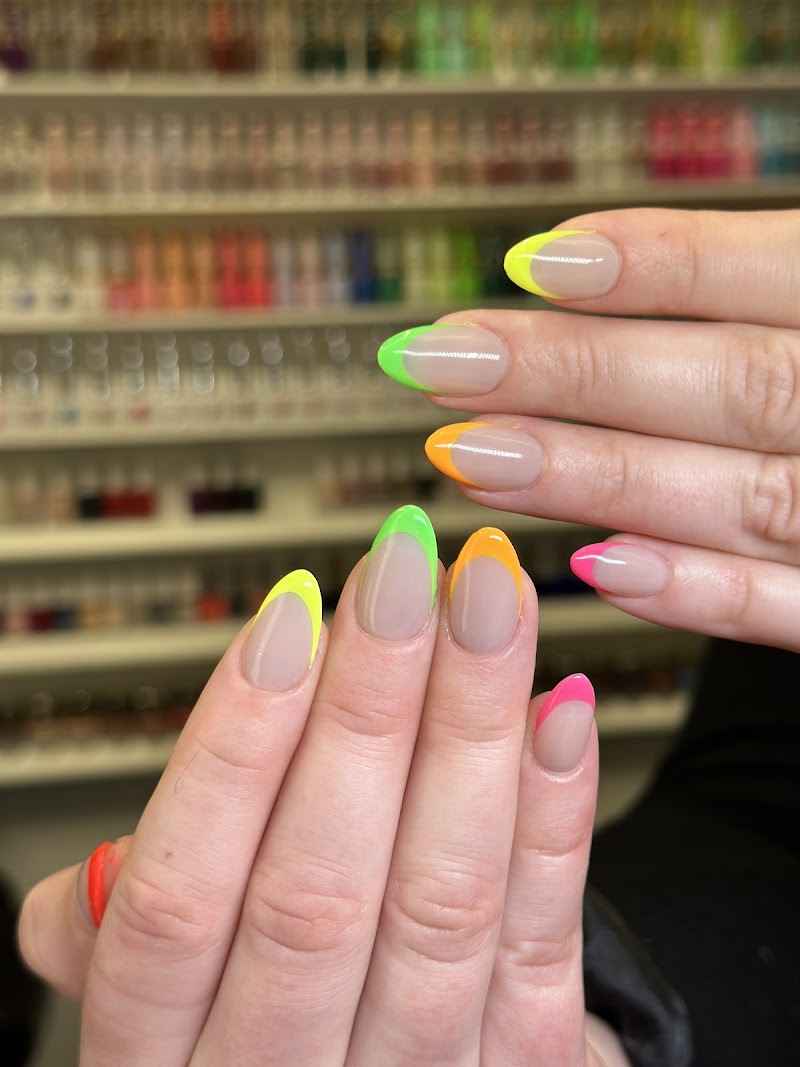
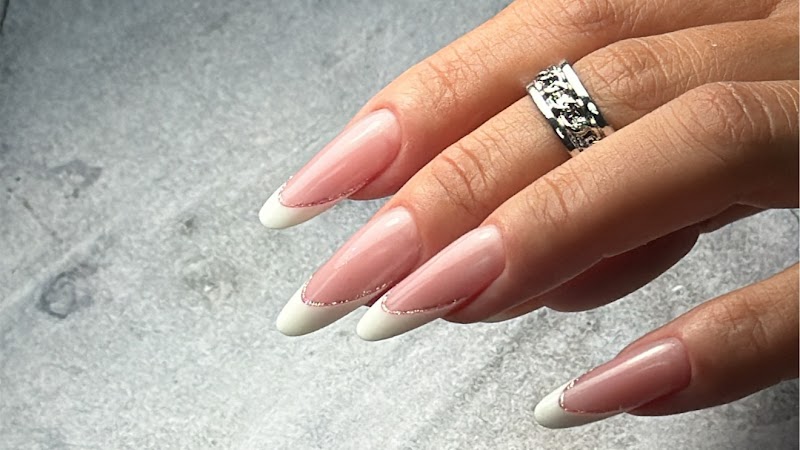
Big Apple Art
Healthy, strengthened nails
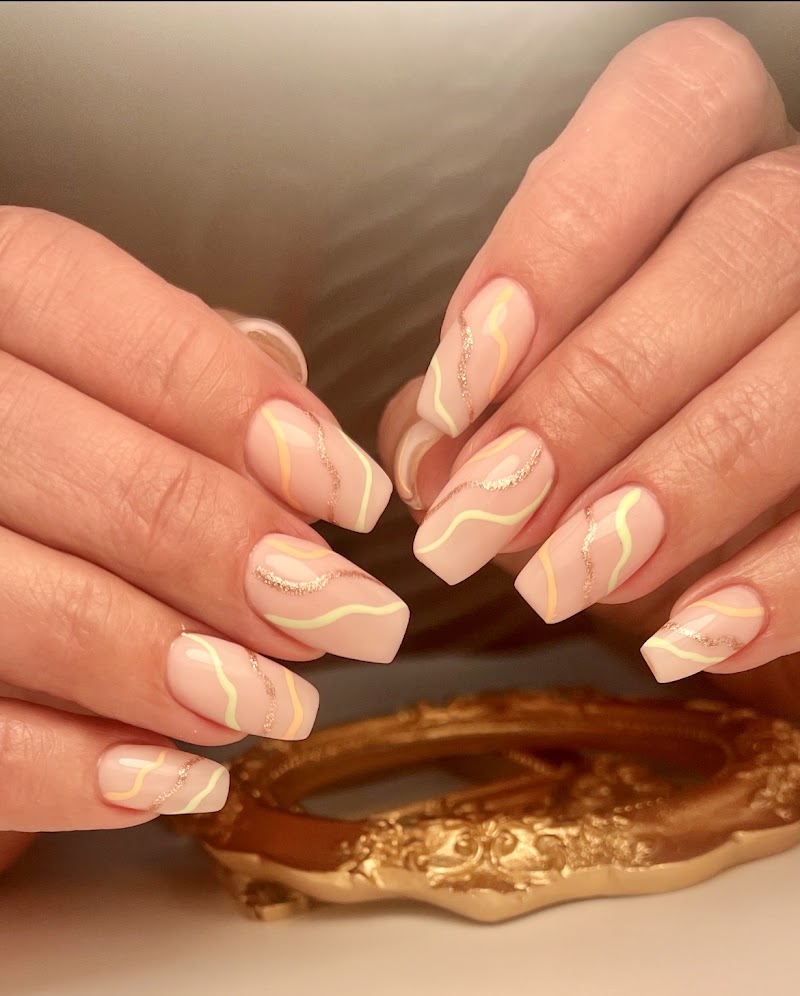
Evolution Nails LLC
Healthy, strengthened nails
What Actually Strengthens Nails
1. BIAB (Best option for most people)
A BIAB overlay protects the natural nail plate while it grows and repairs underneath. The flexible gel encapsulates the nail, preventing it from breaking or peeling. Many clients with chronically weak nails see significant improvement after 3-6 months of continuous BIAB wear with proper removal. This is the single most effective intervention for weak nails.
2. Cuticle Oil, Daily
Cuticle oil applied once or twice daily hydrates the nail matrix (where the nail grows from) and the nail plate itself. This is the cheapest and most consistently effective at-home treatment. Use an oil with jojoba, vitamin E, or sweet almond oil, not just petroleum-based products — this Sally Hansen vitamin E oil is the standard cheap one.
3. Protect from Water
Wear gloves when washing dishes. Dry hands thoroughly after washing. Apply hand cream (and lock in with cuticle oil) after water exposure. This alone makes a significant difference for most people.
4. Correct Removal
Never peel or pick off gel or acrylics. The mechanical action pulls layers of the nail plate with it. Proper soak-off removal is essential. If your tech is using excessive e-file pressure, change salons, over-filing is the single biggest cause of long-term nail plate damage.
5. Nail Hardeners (with caveats)
Formaldehyde-based nail hardeners (like OPI Nail Envy) can make nails temporarily harder, but repeated use causes nails to become excessively rigid and more prone to snapping. Use for 2-4 weeks to get through a repair period, then stop. If you want something for daily use instead, a non-formaldehyde strengthening base coat such as essie Strong Start avoids the brittleness problem.
What Does NOT Help (Common Myths)
- Gelatin and collagen supplements: No strong clinical evidence these reach the nail plate in useful quantities.
- Soaking nails in olive oil: Does not penetrate the nail plate. Surface-level hydration only.
- “Letting nails breathe”: Nails do not breathe, they are not living tissue at the tip. Taking breaks from gel does not make nails healthier; improper removal does the damage, not the gel itself.
- Calcium supplements: Nails are made of keratin, not calcium. Calcium supplementation has minimal effect on nail strength.
Big Apple Art
Well-maintained nails
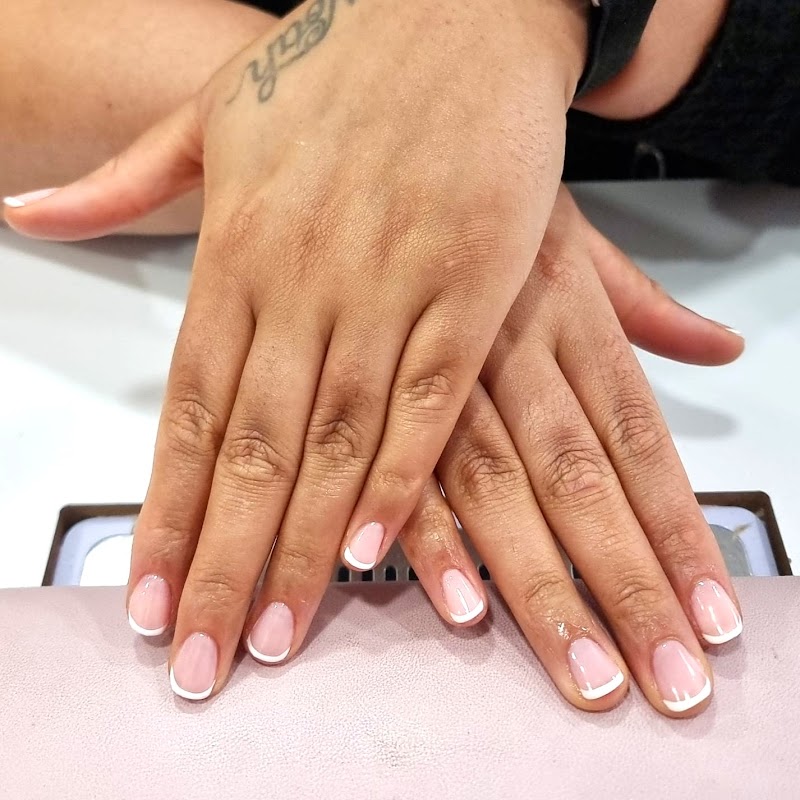
Naiyah Nails - Luxury BIAB & Russian Manicure Salon Brixton
Well-maintained nails
The Recovery Plan
If your nails are currently damaged, here is the most effective recovery approach:
- Book a BIAB appointment with a skilled technician
- Apply cuticle oil morning and night, every day
- Wear gloves for washing up
- Get regular BIAB infills (every 4 weeks), do not remove and go bare
- After 3-4 months, assess whether your natural nail has grown out healthy
Find a nail strengthening specialist: Browse BIAB salons on NailAtlas →
Strengthening Weak Nails: FAQ
Why are my nails weak?▼
The most common causes are over-hydration (repeated wet/dry cycles from frequent hand washing cause peeling and brittleness), damage from previous treatments (aggressive filing or forcible removal of gel/acrylics thins the nail plate), acetone exposure, nutritional deficiency (low iron, biotin or vitamin D), and genetics — some people simply have naturally thinner nail plates.
What actually strengthens weak nails?▼
A BIAB overlay is the single most effective intervention — the flexible gel encapsulates and protects the natural nail while it grows underneath, with many chronically weak-nailed clients seeing significant improvement after 3–6 months. Pair it with daily cuticle oil (jojoba or vitamin E based), protection from water (gloves when washing up), correct soak-off removal of any gel or acrylic, and short-term use of formaldehyde-based hardeners during repair periods only.
What does NOT help strengthen weak nails?▼
No strong clinical evidence that gelatin or collagen supplements reach the nail plate in useful quantities. Soaking nails in olive oil is surface-level hydration only. "Letting nails breathe" is a myth — nails are not living tissue at the tip; improper removal causes damage, not the gel itself. Calcium supplements have minimal effect because nails are made of keratin, not calcium.