NailAtlas Editorial
Guidance grounded in market data from the 3,300+ nail salons we've indexed.
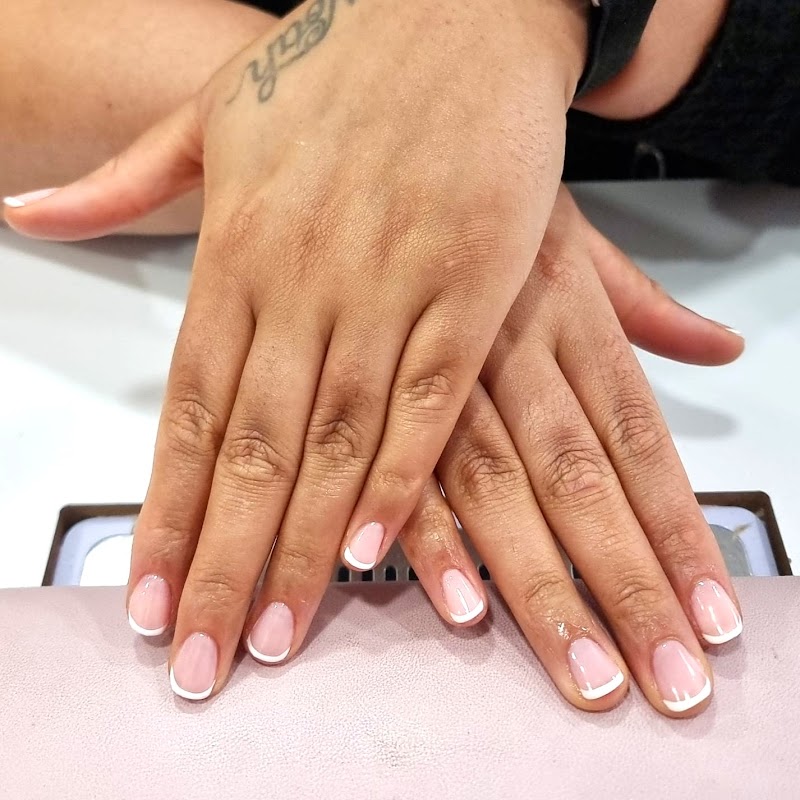
Naiyah Nails - Luxury BIAB & Russian Manicure Salon Brixton
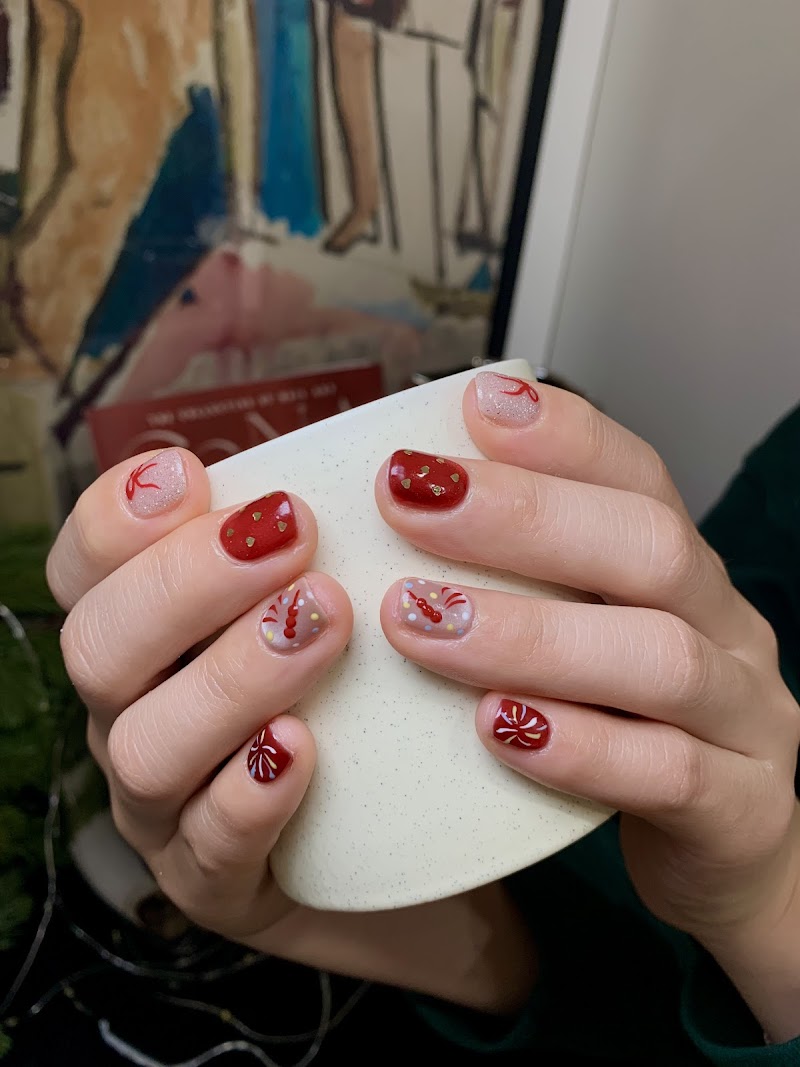
CoNA-The Collective of Nail Art
♡ Tap a heart to save a look
View style board →Quick Facts
- Service
- E-file / dry manicure
- Duration
- 1.5 – 2.5 hours
- Lasts
- 3 – 5 weeks
- Price
- $80 – $150+
- Best for
- Flawless cuticles & longevity
The Russian manicure is the dry, e-file-based technique behind nails that look immaculate at the cuticle line and last 3–5 weeks. It is also the most contested manicure technique in the industry — celebrated for longevity, criticised for the risks an untrained technician can introduce.
Here is what the Russian manicure actually is, what it costs in NYC and London, the safety questions you should be asking, and how to tell a qualified technician from a marketing claim.
Specialists are not evenly distributed. Of the 268 Russian-manicure technicians in the NailAtlas directory, the bulk are in NYC and London, with smaller clusters in Miami and Los Angeles — which is also where the trained-specialist supply meets meaningful demand. If you are outside those cities, vetting the technician matters more, not less.
What Is a Russian Manicure?
A Russian manicure (also called a dry manicure or e-file manicure) is a nail preparation technique. Rather than soaking your hands in water or cutting cuticles with manual nippers, the technician uses an electric nail file (e-file) fitted with specialised diamond and ceramic bits.
The bits exfoliate dead skin from the proximal nail fold (the strip of skin sitting on top of the nail at the base) without touching the living tissue underneath. The result is an extremely clean, sharp nail-to-skin border, which lets gel polish be applied flawlessly under the cuticle line. That cleaner adhesion is the reason the manicure lasts twice as long as a standard gel set.
The Russian Manicure Appointment, Step by Step
A Russian manicure typically takes 1.5–2.5 hours. The technique is methodical — that long appointment time is the technique, not the technician being slow.
- Dry sanitisation: Hands are wiped down with isopropyl alcohol. No water soak — water softens the skin in ways that interfere with precision e-filing.
- Cuticle and side-wall work: Using progressively finer e-file bits (typically a flame, a ball, and a needle bit), the technician exfoliates dead skin from the proximal fold and side walls. This is the slowest and most skill-intensive part.
- Shape and length: Nails are shaped with a hand file. Length is set conservatively — the cleaner the cuticle work, the more obvious overgrowth becomes, so most clients keep nails short-to-medium.
- Polish application under the cuticle: Gel polish (or builder gel, if BIAB is added) is painted right up to and slightly under the freshly-exfoliated cuticle line. Each layer is cured.
- Top coat, finish, oil: A gel top coat is cured, the tacky layer wiped, and cuticle oil massaged in. The technician will typically check each nail under a lamp for any micro-lifting before you leave.
Naiyah Nails - Luxury BIAB & Russian Manicure Salon Brixton
Russian manicure specialist
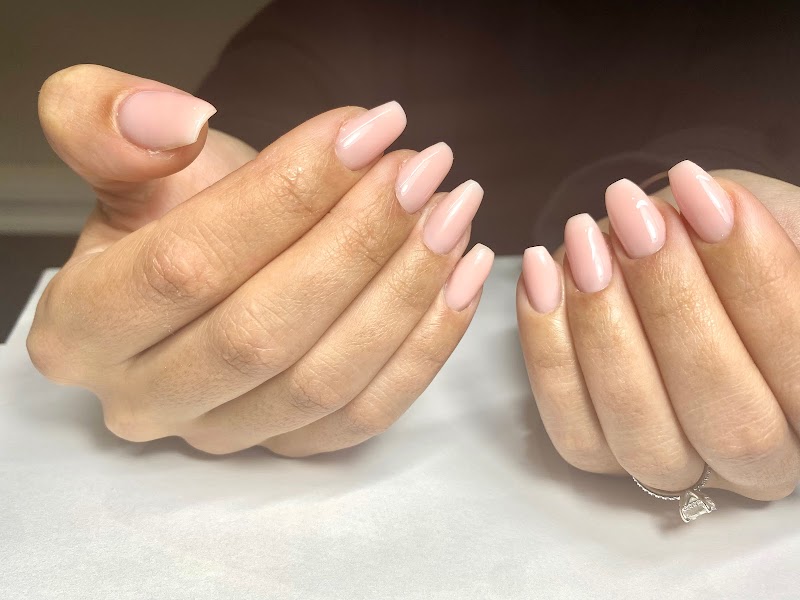
Nails By Michal - Russian Gel Manicure Specialist
Russian manicure specialist
Russian Manicure vs Standard Gel Manicure
| Feature | Standard Manicure | Russian Manicure |
|---|---|---|
| Preparation | Water soak, manual pushers and nippers | Completely dry, e-file with specialised bits |
| Cuticle care | Pushes back the cuticle, trims visible excess | Exfoliates the dead skin layer around the nail bed |
| Application | Polish stops at the cuticle line | Polish is painted seamlessly beneath the cuticle |
| Longevity | 2–3 weeks | 3–5 weeks with minimal lifting |
| Appointment time | 45–60 minutes | 1.5–2.5 hours |
| Price (US major city) | $35–$65 | $80–$150+ |
Is a Russian Manicure Safe?
This is the question that has followed the Russian manicure since it moved out of Eastern Europe into the broader market — and the honest answer is: yes, in trained hands. The technique itself is not dangerous. Most of what gets called "the Russian manicure controversy" is really a controversy about untrained technicians using powerful e-files on skin without the training to do it safely.
What can go wrong when the technique is performed badly:
- Thinning of the nail plate, leading to weakness and lifting
- Damage to the nail matrix (the cells that grow new nail) — this can cause permanent ridges
- Micro-tears in the proximal fold, which create entry points for bacterial or fungal infection
- Removal of the eponychium (the living seal between skin and nail) instead of just the dead cuticle — this is the line aestheticians and the American Academy of Dermatology flag most often
The risk is technique-dependent, not technology-dependent. An experienced specialist with a well-maintained e-file is safer than an untrained technician with manual nippers.
Hyperpigmentation and Darker Skin Tones
Worth calling out specifically, because it gets under-discussed: aggressive e-filing close to the eponychium can cause post-inflammatory hyperpigmentation (PIH) — darker patches around the nail that can take 3–12 months to fade. PIH affects all skin tones, but it is more common and more visible on deeper skin (Fitzpatrick IV–VI on the standard dermatology scale — medium-brown to deep-brown skin). The American Academy of Dermatology lists cosmetic procedures that abrade the skin among common PIH triggers.
If you have a deeper skin tone, ask your technician (1) how often they work on darker skin, (2) whether they reduce e-file pressure and use finer bits to minimise abrasion, and (3) whether they recommend a patch test on one finger before a full set. A specialist who has not thought about this is not the specialist for you.
Red Flags When Booking a Russian Manicurist
The price gap between an authentic Russian manicure ($80–$150) and a budget gel-with-drill ($30–$50) is wide enough that there is real incentive to claim the title without the training. What to ask before you book:
- "Where did you train in Russian/e-file technique?" A specific course name (Nagayama, Olesya Maximova, MOYO Academy, etc.) or a named master is the answer you want. "General nail school" is not.
- "How do you sterilise your e-file bits?" The right answer is autoclave with sealed pouches between every client. Anything that mentions only UV cabinets or chemical soak is undertrained.
- "Is your setup completely dry?" No water soak should appear anywhere in the appointment.
- "Can I see your most recent work?" Look at the cuticle line in their photos. Clean, sharp, and consistent across all five fingers is the giveaway. Smudgy or rushed cuticles in their portfolio is not improved by booking with them.
- "Do you offer a patch test?" Especially relevant if you have sensitive skin or have had any reaction to gel before.
Are Russian Manicures Legal in the US?
Yes — Russian manicures are legal across all 50 states, and licensed nail technicians can perform them. There is no FDA ruling against the technique. What varies state to state is e-file certification: in some states, technicians need an additional credential to use a powered file, and a handful of state cosmetology boards explicitly distinguish between exfoliating the cuticle (legal) and cutting the eponychium (often not). The grey area is in the technique, not the legality, which is why specialist training matters more than legal status.
Russian Manicure vs BIAB: Which Should You Choose?
These are not competing options — they are a paired set. BIAB (Builder In A Bottle) is a strengthening builder gel; the Russian manicure is a preparation technique. The pairing — Russian prep plus BIAB overlay — is the longest-wearing, healthiest combination for natural nails available today. It also costs more ($130–$250+) than either treatment alone.
Read more: What is BIAB? Builder In A Bottle nails explained →
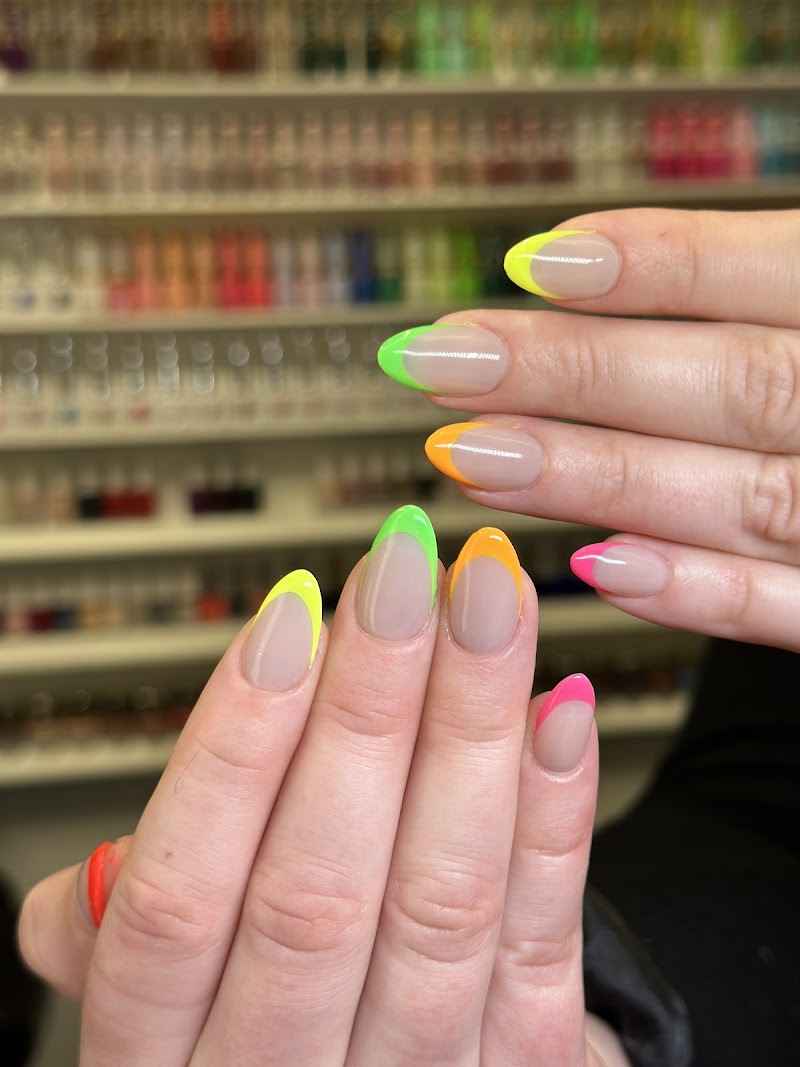
Big Apple Art
Gel nails with Russian manicure prep
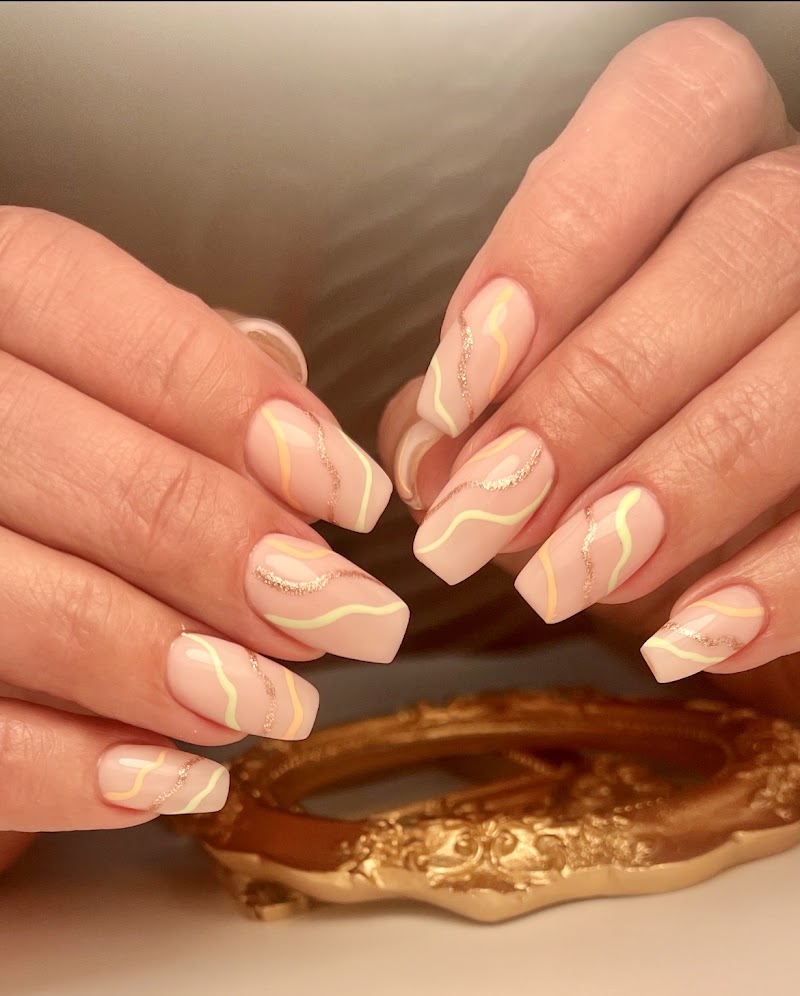
Evolution Nails LLC
Gel nails with Russian manicure prep
What a Russian Manicure Costs in NYC and London
Because Russian manicures require specialised equipment, long appointments, and intensive technician training, the technique sits at the premium end of the nail market everywhere it is offered. Typical pricing across the two cities where the technique is most established:
| Service | NYC | London |
|---|---|---|
| Russian manicure (gel polish) | $90–$160 | £65–£120 |
| Russian manicure + BIAB | $130–$220 | £90–£160 |
| Russian manicure + Gel-X extensions | $160–$280+ | £110–£200+ |
| Russian pedicure (often paired) | $90–$150 | £70–£120 |
Pricing below $40 / £35 for a service marketed as "Russian manicure" is almost never the real technique — it is usually a standard manicure with an e-file used briefly on the cuticle. The skill, equipment and appointment length cost more than that to operate.
Ready to book? Browse Russian manicure specialists on NailAtlas — filtered to studios where technicians explicitly advertise e-file training.
Browse Russian manicure specialists →Russian Manicure: FAQ
What is a Russian manicure?▼
A Russian manicure (also called a dry or e-file manicure) is a precise nail-prep technique that uses an electric file with diamond bits to exfoliate dead skin and cuticle, instead of soaking and cutting. Polish is then painted seamlessly under the cuticle line, giving an immaculate finish that lasts 3–5 weeks.
Are Russian manicures safe?▼
When performed by a certified specialist with autoclave-sterilised metal bits and a fully dry setup, the Russian manicure is generally considered safe. Risks arise from untrained technicians using the e-file too aggressively — thinning the nail plate, damaging the matrix, causing micro-tears, or removing the eponychium (the seal between the skin and the nail). Always ask about specific Russian/e-file training before booking.
Are Russian manicures legal in the US?▼
Yes — Russian manicures are legal across all 50 US states, and licensed nail technicians can perform them. There is no FDA ruling that bans the technique. What varies state-to-state is whether the technician needs additional certification for e-file use, and some state cosmetology boards explicitly prohibit cutting (versus exfoliating) the eponychium. The technique sits in a grey area in some jurisdictions, which is why qualifications and sterilisation matter.
How long does a Russian manicure last?▼
Three to five weeks with minimal lifting, compared to two to three weeks for a standard gel manicure. The longevity comes from the precise cuticle-area prep, which lets gel adhere closer to the skin and reduces the lifting that ends most manicures early.
Is a Russian manicure painful?▼
It should not be. A skilled technician uses the e-file at the right angle and speed to exfoliate dead skin without touching the living tissue. If you feel pain, that is a sign of poor technique — speak up or stop the appointment.
How much does a Russian manicure cost?▼
Expect $80–$150 for a standard Russian manicure with gel polish in major US cities (NYC and LA at the top of that range), and $130–$250+ if you add BIAB or extensions. In London, expect £65–£120. Pricing below $40 / £35 is rarely an authentic, safely-performed Russian manicure — at that level it is usually a regular manicure with a cuticle drill thrown in.
What is the difference between a Russian manicure and a regular gel manicure?▼
A regular manicure soaks the hands and pushes back the cuticle with manual tools; a Russian manicure works completely dry and uses an e-file with diamond bits to exfoliate the cuticle area. Polish then sits under the cuticle line rather than next to it, which is why the result lasts 3–5 weeks instead of 2–3.
Can darker skin tones get a Russian manicure safely?▼
Yes, but with extra care from the technician. The skin around the nail has the same pigment cells as skin elsewhere, and aggressive e-filing close to the eponychium can cause post-inflammatory hyperpigmentation — darker patches around the nail that take months to fade. The risk is higher on Fitzpatrick IV–VI skin. Ask your technician how they adjust pressure and bit choice for sensitive skin, and consider a patch test on one finger before a full set.